

Non-Contact Thickness Gauges
February 14, 2023
Non-Contact Thickness Gauges: A Guide to Precision Measurement
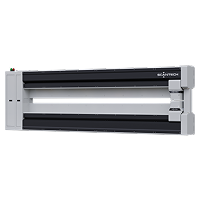
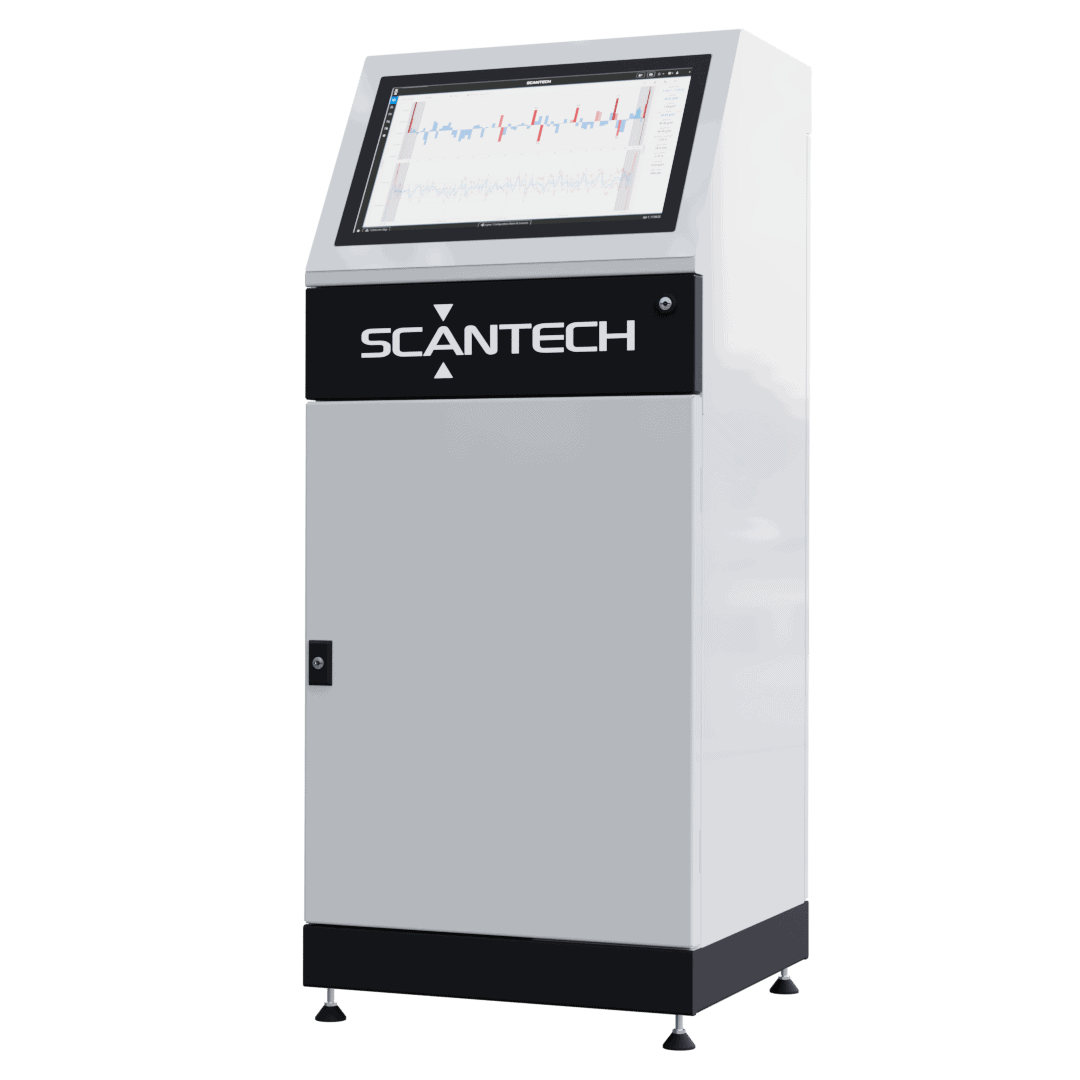
Non-contact thickness gauges are precision measuring instruments that are used to measure the thickness of a variety of materials, including metals, plastics, and ceramics. These gauges use advanced technology, such as ultrasound, to accurately measure the thickness of a material without coming into direct contact with it. Non-contact thickness gauges are widely used in a variety of industries, including manufacturing, quality control, and research and development.
Advantages of Non-Contact Thickness Gauges
-
Accuracy: Non-contact thickness gauges provide highly accurate measurements, which is critical for ensuring the quality of manufactured products and for ensuring that the materials used in production meet specific standards and requirements.
-
Speed: Non-contact thickness gauges are able to quickly and accurately measure the thickness of materials, making them ideal for use in high-volume production environments.
-
Versatility: Non-contact thickness gauges can be used to measure a wide range of materials and can be easily adjusted to measure materials of different thicknesses and densities.
-
Non-destructive: Non-contact thickness gauges do not damage the material being measured, making them ideal for use in applications where the material must remain intact.
-
Easy to Use: Non-contact thickness gauges are easy to use and require minimal training, making them ideal for use in a wide range of industries and applications.
Types of Non-Contact Thickness Gauges
-
Ultrasonic Thickness Gauges: Ultrasonic thickness gauges use ultrasound technology to measure the thickness of a material. These gauges send an ultrasound wave through the material and measure the time it takes for the wave to travel through the material and back. This measurement is then used to determine the thickness of the material.
-
Eddy Current Thickness Gauges: Eddy current thickness gauges use electrical current to measure the thickness of a material. These gauges send a magnetic field through the material and measure the electrical current that is generated. This measurement is then used to determine the thickness of the material.
-
X-Ray Thickness Gauges: X-ray thickness gauges use X-rays to measure the thickness of a material. These gauges send X-rays through the material and measure the intensity of the X-rays that pass through the material. This measurement is then used to determine the thickness of the material.
In conclusion, non-contact thickness gauges are precision measuring instruments that are widely used in a variety of industries to accurately measure the thickness of materials. These gauges offer numerous advantages, including accuracy, speed, versatility, non-destructiveness, and ease of use, making them ideal for use in high-volume production environments, quality control, and research and development. Whether you are using an ultrasonic, eddy current, or X-ray thickness gauge, you can be sure that you are getting an accurate, reliable measurement every time.
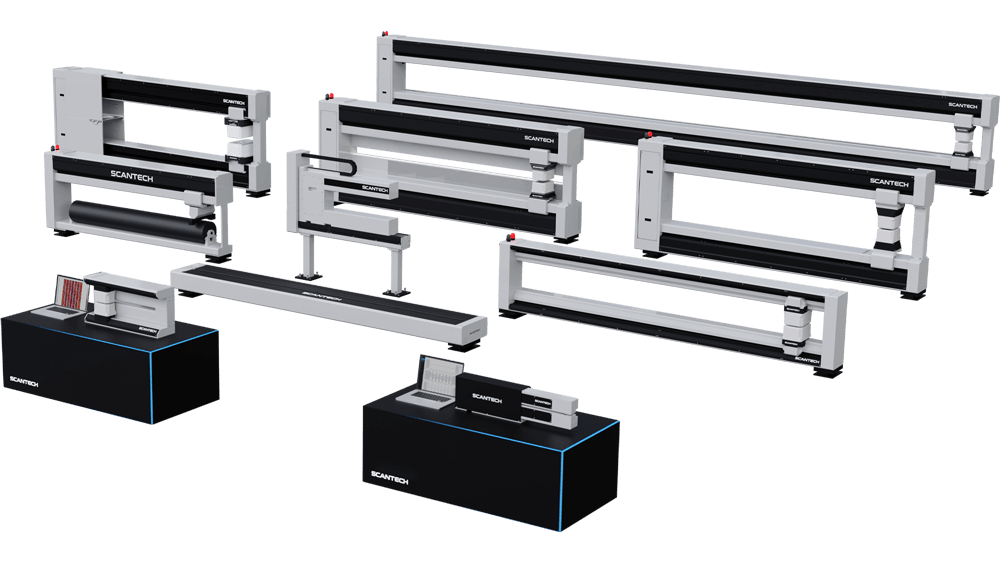
Non-contact thickness gauges are precision measuring instruments

"
Discover the types of Non-Contact Thickness Gauges
Related Articles
Solutions for Battery
Battery production is a complex process that involves a variety of steps, from electrode coating and calendaring to slitting and assembly.
Battery Solution Measurement on Production Line
Learn how battery solution measurement on production line can ensure the quality and performance of your energy storage solutions.
Battery Solution Manufacturing – Powering the World with Reliable Energy Storage
Discover the benefits of battery solution manufacturing for your production line. How battery solutions are transforming battery production.